
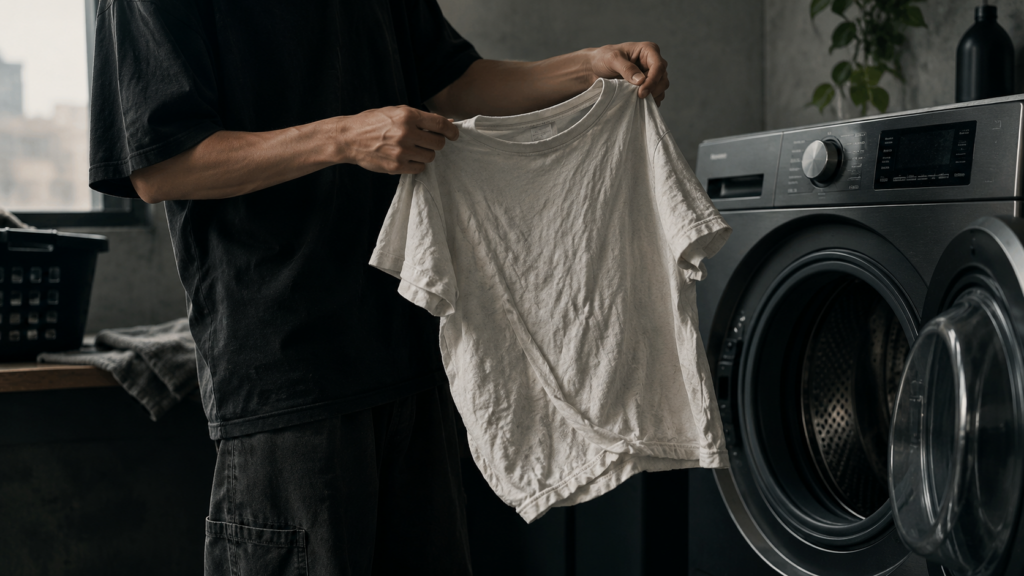
You buy a T-shirt that fits perfectly.
It looks good, feels comfortable, and sits exactly the way you want it to. Then you wash it once—and suddenly the sleeves feel shorter, the body feels tighter, or the entire T-shirt seems noticeably smaller.
Sound familiar?
T-shirt shrinkage is one of the most common problems people experience with cotton clothing. But it isn’t necessarily because the T-shirt was poorly made. In many cases, shrinkage is simply a result of how natural fibers react to heat, moisture, and washing.
Understanding why T-shirts shrink can help you choose better clothing, care for your favorite pieces properly, and avoid turning a perfectly good T-shirt into something that no longer fits the way you want.
Let’s break down what actually happens.
What Causes a T-Shirt to Shrink?
The main reason many T-shirts shrink is the behavior of the fibers used to make them.
Cotton, one of the most common materials used in T-shirts, is a natural fiber. During manufacturing, cotton fibers are stretched and manipulated to create yarn and fabric. This process puts tension into the material.
When the finished T-shirt is exposed to water, heat, and mechanical movement during washing and drying, some of that tension can be released.
As a result, the fabric contracts.
This is what we experience as shrinkage.
The important thing to understand is that the T-shirt isn’t necessarily “melting” or dramatically changing shape. Instead, the fibers and fabric structure are relaxing closer to their natural state.
That’s why a cotton T-shirt can come out of the washing machine feeling slightly smaller than when you bought it.
Why Cotton T-Shirts Shrink More Than Some Synthetic Fabrics
Cotton is particularly susceptible to shrinkage because it is a natural fiber.
Synthetic materials such as polyester are generally more resistant to shrinking because their fibers are manufactured rather than naturally grown.
This doesn’t mean polyester T-shirts can never change shape. Excessive heat can still affect synthetic fabrics, but they typically don’t behave exactly like untreated cotton.
Cotton’s comfort, breathability, and natural feel are some of the reasons it remains popular in T-shirts.
The trade-off is that it requires a little more attention when it comes to washing and drying.
Heat Is One of the Biggest Causes of Shrinkage
If you’re trying to understand why a T-shirt suddenly became smaller, start with the temperature.
Hot water and high drying temperatures can accelerate shrinkage.
When cotton fibers are exposed to heat and moisture, they can contract. A tumble dryer can make this even more noticeable because the garment is exposed to both heat and repeated mechanical movement.
This is why washing a cotton T-shirt in extremely hot water and then putting it into a high-temperature dryer is basically giving shrinkage the perfect environment.
For most everyday cotton T-shirts, cold or cool washing is a safer choice.
And when possible, air drying is gentler than using high heat in a dryer.
Does Every Cotton T-Shirt Shrink?
No.
This is where things get more interesting.
Two T-shirts can both be made from cotton and still shrink differently.
The amount of shrinkage depends on several factors, including:
- How the cotton was processed
- How the fabric was knitted
- How much tension was introduced during manufacturing
- Whether the garment was pre-shrunk
- The fabric’s construction
- Washing temperature
- Drying temperature
- Washing and drying frequency
So simply seeing the word “cotton” on a label doesn’t tell you exactly how much a T-shirt will shrink.
The manufacturing process matters too.
What Is Pre-Shrunk Cotton?
You may have heard clothing brands describe a T-shirt as “pre-shrunk.”
The idea is fairly simple.
The fabric or garment is treated during manufacturing to reduce the amount of additional shrinkage that is likely to happen after the customer washes it.
Pre-shrinking doesn’t necessarily mean the T-shirt can never shrink.
It means much of the expected shrinkage has already been accounted for before the garment reaches you.
This can make sizing more predictable and help the T-shirt maintain its intended dimensions through regular washing.
For consumers, that’s important because buying a T-shirt shouldn’t feel like gambling on what size it will become after laundry day.
Why T-Shirts Sometimes Shrink Unevenly
Shrinkage isn’t always uniform.
A T-shirt might become shorter without becoming dramatically narrower. Another might tighten around the chest while the length barely changes.
This can happen because different parts of the garment respond differently to fabric construction, tension, seams, and finishing processes.
For example, if the body fabric contracts vertically more than horizontally, you may notice the T-shirt becoming shorter.
This is particularly noticeable with oversized T-shirts.
An oversized silhouette depends heavily on specific proportions—body length, shoulder width, sleeve length, and overall volume.
Even a relatively small amount of shrinkage can change how that silhouette looks.
That’s why fabric behavior matters even more when the fit is part of the design.
Why Oversized T-Shirts Can Be Especially Sensitive

Oversized T-shirts aren’t simply larger versions of regular T-shirts.
Their proportions are intentionally designed to create a particular silhouette.
The shoulder may sit lower. The sleeves may be wider or longer. The body may have additional length and volume.
If the garment shrinks significantly, those proportions can change.
A T-shirt that originally had a relaxed, oversized shape might start looking closer to a regular fit after repeated washing.
This is one reason garment construction and care instructions are especially important when buying oversized clothing.
The fit you see in product photography is only useful if the garment can maintain its proportions after normal wear and washing.
Can Washing Cause T-Shirts to Lose Their Shape?
Yes.
Shrinkage and shape distortion aren’t exactly the same thing, but they can happen together.
Repeated washing, aggressive spinning, high temperatures, and improper drying can affect the structure of a garment.
You might notice:
- Shorter body length
- Tighter sleeves
- Slightly narrower chest
- Twisted seams
- Warping around the collar
- A different overall silhouette
This doesn’t necessarily happen after one wash.
Instead, small changes can accumulate over time.
That’s why proper garment care isn’t just about keeping clothes clean. It’s also about preserving how they’re supposed to look.
How to Reduce T-Shirt Shrinkage
The good news is that you can significantly reduce the risk of excessive shrinkage by changing how you wash your T-shirts.
1. Wash With Cold or Cool Water
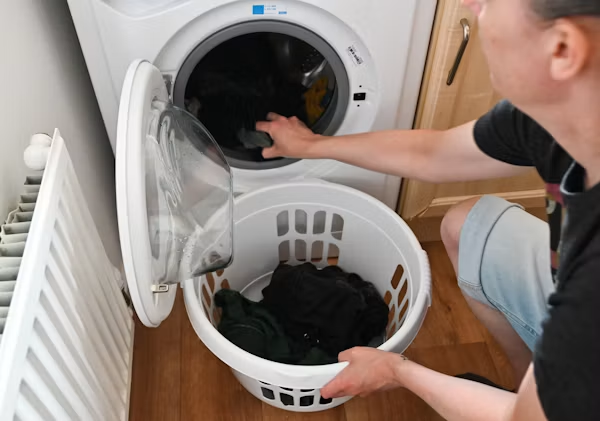
Cold water is generally gentler on cotton fibers than hot water.
Unless the garment’s care label specifically recommends otherwise, cold or cool washing is a good everyday option.
2. Avoid Excessive Heat
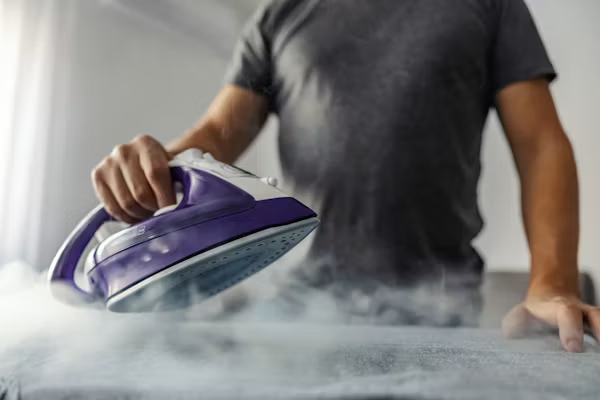
High temperatures can accelerate shrinkage.
Avoid using extremely hot wash cycles and be careful with high-heat tumble drying.
3. Air Dry When Possible
Air drying is one of the simplest ways to reduce heat exposure.
You can hang your T-shirt or lay it flat depending on the garment and fabric.
Avoid aggressively wringing the T-shirt, as this can put unnecessary stress on the fabric.
4. Follow the Care Label
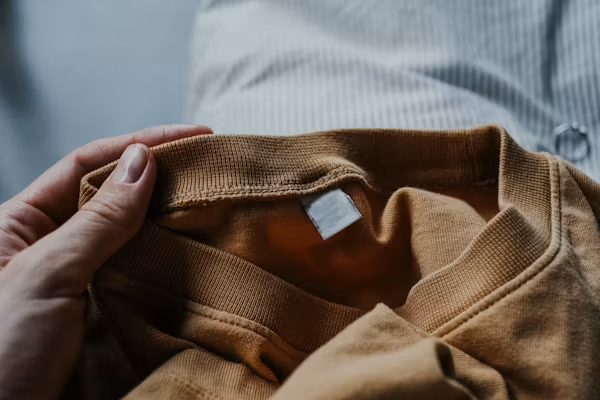
The care label isn’t decoration.
It provides specific instructions from the manufacturer about how the garment should be washed and dried.
If you want your T-shirt to maintain its original fit for as long as possible, follow those instructions.
5. Don’t Overwash
A T-shirt doesn’t necessarily need an aggressive wash cycle every time it is worn.
If it has only been worn briefly and isn’t dirty or sweaty, a gentler approach may help extend its lifespan.
The less unnecessary mechanical stress and heat the garment experiences, the better.
Can You Unshrink a T-Shirt?
Sometimes you can slightly relax a shrunken T-shirt, but there is no guaranteed way to completely restore it to its original dimensions.
Once fibers have significantly contracted, reversing the process isn’t always possible.
Some home methods involve soaking the garment and gently stretching it back into shape.
However, results vary depending on the fabric, construction, and extent of shrinkage.
The better strategy is prevention.
Taking care of the T-shirt properly from the beginning is much easier than trying to repair a garment after it has already changed shape.
Does Shrinkage Mean a T-Shirt Is Poor Quality?
Not necessarily.
This is an important distinction.
Shrinkage alone doesn’t automatically mean a T-shirt is low quality.
Natural cotton can experience some shrinkage even when the garment is well made.
What matters is how much it shrinks, whether the garment was properly manufactured and finished, and whether it maintains its intended fit and construction over time.
Quality clothing isn’t necessarily clothing that never changes.
It’s clothing that is thoughtfully designed, properly constructed, and made to perform reasonably well under normal use.
What Should You Look for When Buying a T-Shirt?
If you’re concerned about shrinkage, don’t focus on just one specification.
Consider the complete picture.
Look at:
- Fabric composition
- Fabric weight
- Whether the garment is pre-shrunk
- Construction quality
- Fit and measurements
- Care instructions
- Brand transparency
Most importantly, don’t rely only on the size label.
A “Medium” from one brand can fit completely differently from a “Medium” from another.
Checking actual garment measurements gives you a much better idea of what you’re buying.
And if you’re purchasing an oversized T-shirt, pay particular attention to body length, shoulder width, chest width, and sleeve length.
The Bottom Line
Some T-shirts shrink after washing because their fibers relax when exposed to moisture, heat, and mechanical movement.
Cotton T-shirts are particularly susceptible because cotton is a natural fiber.
But shrinkage isn’t completely unpredictable.
Manufacturing techniques such as pre-shrinking can reduce it, while washing with cold water, avoiding high heat, and air drying can help preserve the garment’s original dimensions.
The bigger lesson is simple: how you care for a T-shirt matters almost as much as how you buy it.
A good T-shirt should be something you can wear repeatedly—not something that looks great once and becomes a different garment after laundry day.
Take care of the fabric, respect the care instructions, and you’ll give your T-shirts a much better chance of keeping the fit and shape you bought them for.
Because the goal isn’t just to buy a T-shirt you like.
It’s to keep liking it long after the first wash.