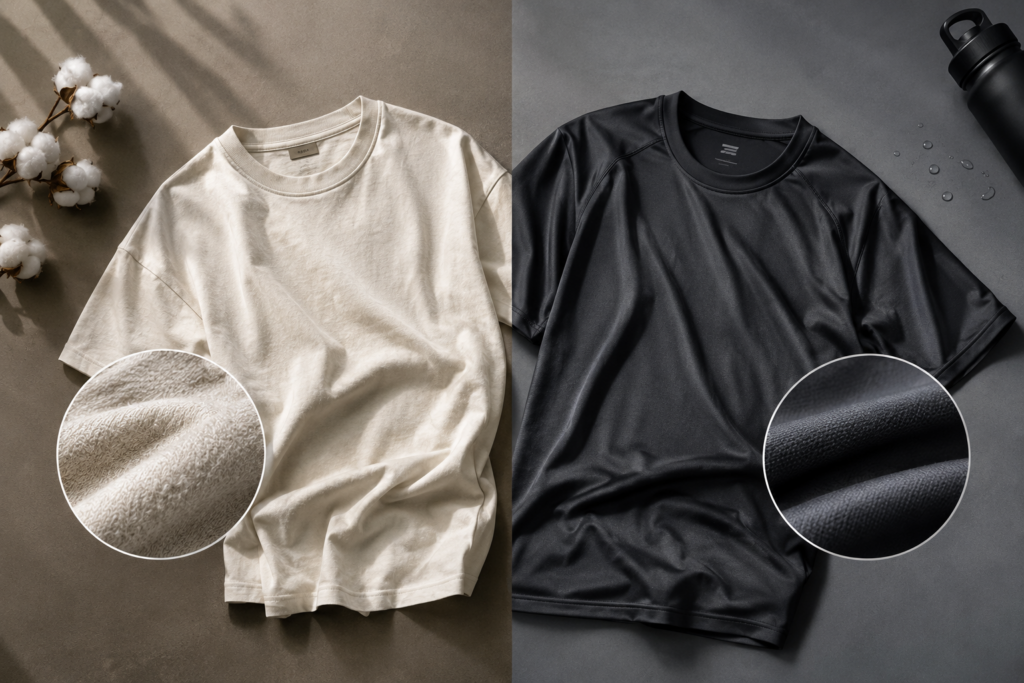
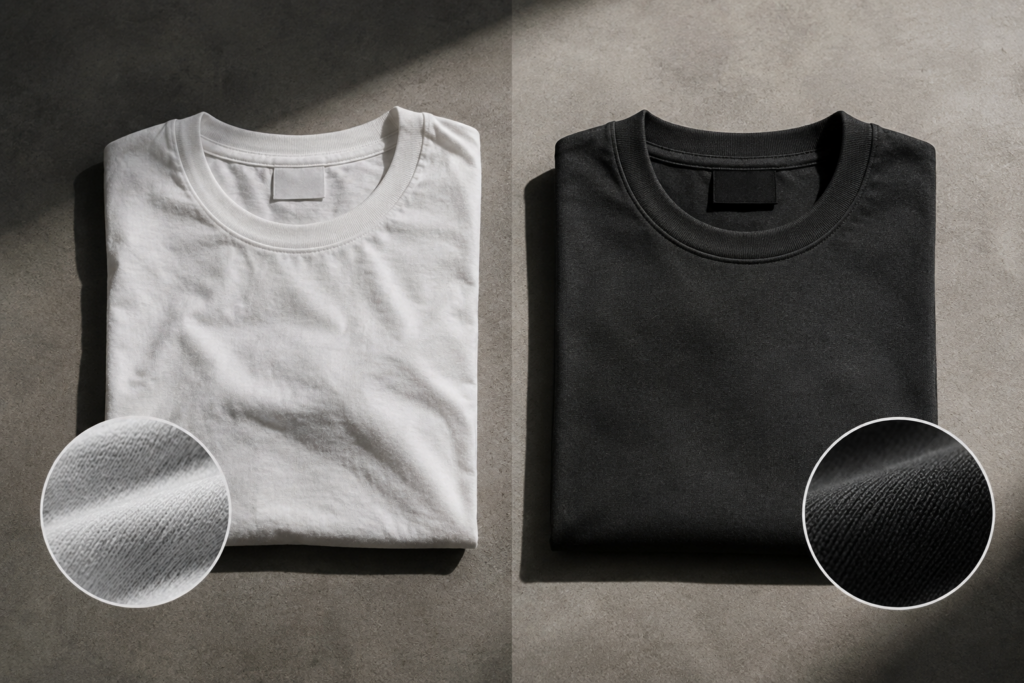
Walk into any clothing store and you’ll find T-shirts at almost every price point.
Some cost very little. Others can cost several times more.
At first glance, the difference might not seem obvious. Both have sleeves, a neckline, a graphic or logo, and a similar-looking silhouette. So why does one T-shirt cost ₹400 while another costs ₹1,500 or more?
Is the expensive one actually better?
Sometimes yes. Sometimes, you’re simply paying for the brand name.
The real difference usually comes down to what you can’t immediately see: the fabric, construction, fit, finishing, durability, manufacturing process, and attention to detail.
Understanding these differences can help you make smarter decisions instead of assuming that the cheapest T-shirt is always the best deal—or that the most expensive one is automatically premium.
What Makes a T-Shirt “Cheap”?
A cheap T-shirt isn’t necessarily a bad T-shirt.
Low-cost T-shirts can be perfectly suitable for certain purposes. If you need something basic, temporary, or inexpensive, paying less can make sense.
The problem begins when price becomes the only thing you consider.
To keep the price low, manufacturers may make compromises in areas such as:
- Fabric quality
- Yarn quality
- Fabric weight
- Stitching
- Finishing
- Fit consistency
- Dye quality
- Quality control
- Manufacturing processes
These compromises aren’t always visible when you first pick up the T-shirt.
You may only notice them after several washes, when the fabric becomes rougher, the neckline loses its shape, the print starts cracking, or the T-shirt begins fitting differently.
That’s why the initial price doesn’t always tell you the actual value of a T-shirt.
What Are You Paying For in a Premium T-Shirt?
When you buy a genuinely premium T-shirt, you’re paying for more than just the fabric.
You’re paying for a combination of materials, construction, design, manufacturing, and consistency.
Here are some of the biggest factors.
1. Better Fabric
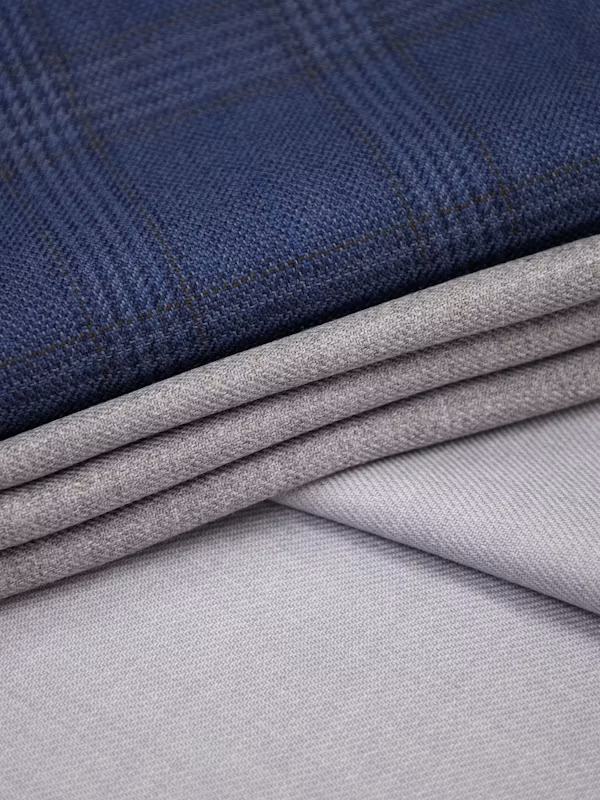
Fabric is one of the biggest differences between a basic T-shirt and a premium one.
Cotton quality can vary significantly. The type of cotton, fibre length, yarn quality, spinning process, and finishing all affect how the final fabric feels and performs.
Higher-quality fabrics often feel:
- Softer
- Smoother
- More substantial
- More comfortable against the skin
- More consistent in texture
But don’t make the mistake of thinking that “heavier always means better.”
A 240 GSM T-shirt isn’t automatically better than a 180 GSM T-shirt.
GSM, or grams per square metre, tells you the weight of the fabric—not its overall quality.
A well-made lighter-weight fabric can feel better and last longer than a poorly made heavyweight fabric.
The important question isn’t simply:
“How heavy is it?”
It’s:
“How good is the fabric?”
2. Better Yarn
The fabric starts with yarn.
Higher-quality yarn can contribute to a smoother, cleaner fabric with fewer visible imperfections.
Lower-quality yarn may contain more irregularities, which can result in a rougher or less consistent surface.
This becomes especially noticeable over time.
A premium T-shirt isn’t necessarily impressive because it feels incredibly soft on day one. It should continue to feel good after repeated wear and washing.
That’s an important distinction.
3. Better Construction
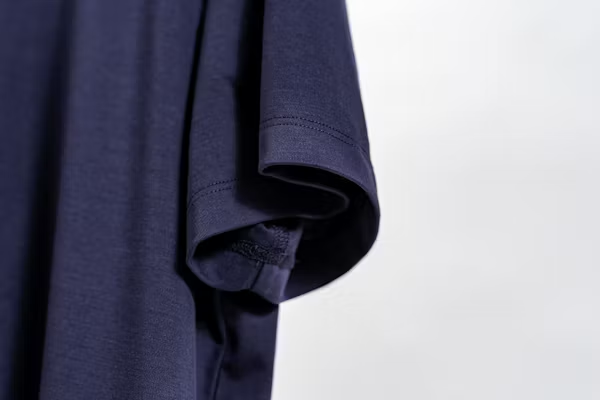
Two T-shirts can use similar-looking fabric but still feel completely different because of how they’re constructed.
Pay attention to details such as:
- Stitch density
- Seam strength
- Shoulder construction
- Neckline finishing
- Sleeve attachment
- Hem finishing
- Overall stitching consistency
A well-constructed T-shirt tends to maintain its shape better.
The seams look cleaner. The neckline sits properly. The hem doesn’t twist easily.
These details might seem minor, but together they influence how the T-shirt looks and performs.
4. The Neckline Matters More Than You Think
One of the fastest ways to notice a poorly made T-shirt is the neckline.
A cheap or poorly constructed collar can stretch, twist, ripple, or lose its shape after repeated washing.
A well-made neckline should sit naturally around the neck and retain its structure.
This doesn’t mean it needs to be extremely thick.
The important thing is construction and recovery.
A good neckline should feel comfortable while maintaining its shape over time.
5. Better Fit and Pattern Cutting

Premium clothing isn’t only about materials.
It’s also about how the garment is designed.
A T-shirt pattern determines how the garment sits on your shoulders, chest, arms, and body.
Small changes in proportions can completely change the appearance.
For example, an oversized T-shirt isn’t simply a regular T-shirt made larger.
A properly designed oversized fit considers:
- Shoulder width
- Sleeve length
- Body width
- Garment length
- Armhole position
- Overall proportions
This is why two T-shirts labelled “L” can look completely different when worn.
Better brands spend more time developing and refining their patterns instead of simply scaling measurements up and down.
6. Better Dyeing and Colour Consistency
Colour is another area where manufacturing quality matters.
A T-shirt may look great when it’s brand new, but the real test comes after repeated washing.
Poor dyeing or finishing can contribute to:
- Faster fading
- Uneven colour
- Dull appearance
- Colour transfer
- Changes in fabric feel
Higher-quality manufacturing processes can help colours remain more consistent over time.
Again, “premium” doesn’t mean a T-shirt will never fade.
All garments experience some degree of change with use.
The difference is often how gracefully they age.
7. Better Printing and Embroidery
If a T-shirt contains graphics, the quality of the decoration matters too.
A low-quality print may:
- Crack quickly
- Peel
- Feel excessively plastic
- Lose detail
- Fade unevenly
Better printing techniques can produce cleaner graphics and better durability.
The same applies to embroidery.
Good embroidery should feel intentional and clean rather than bulky, uneven, or poorly finished.
For graphic-heavy streetwear, this can make a major difference because the artwork is often one of the most noticeable parts of the garment.
8. Better Quality Control
This is one of the least visible differences between cheap and premium clothing.
Quality control happens behind the scenes.
A well-managed production process checks things such as:
- Measurements
- Stitching
- Fabric defects
- Colour consistency
- Print placement
- Construction
- Finishing
Not every garment comes out perfectly.
The difference is whether defective pieces are identified before reaching the customer.
Better quality control creates consistency.
And consistency is one of the things customers often interpret as “premium.”
9. Better Durability
This is where the real value of a T-shirt becomes easier to understand.
Imagine buying a ₹500 T-shirt that looks good but starts losing its shape after a few washes.
Then imagine buying a ₹1,200 T-shirt that continues looking and feeling good much longer.
The second T-shirt costs more upfront.
But if you wear it significantly more often and keep it for much longer, the cost per wear may actually be lower.
That’s why price and value aren’t the same thing.
A cheap T-shirt can be inexpensive.
A premium T-shirt can be expensive.
Neither statement tells you which one is better value.
10. You’re Also Paying for Design
Not every premium T-shirt is expensive because of manufacturing.
Sometimes you’re paying for the design itself.
A fashion brand may spend considerable time developing:
- Original graphics
- Custom fits
- Unique patterns
- Fabric development
- Colour palettes
- Photography
- Packaging
- Creative direction
Those costs are part of the final price.
But this is where consumers need to be careful.
A higher price doesn’t automatically mean better design.
Sometimes you’re simply paying for the name printed on the label.
11. Brand Name vs Actual Quality
This is probably the most important point.
A ₹2,000 T-shirt isn’t automatically better than a ₹1,000 T-shirt.
And a ₹500 T-shirt isn’t automatically poor quality.
Price can reflect many things:
Materials + Manufacturing + Design + Labour + Packaging + Marketing + Distribution + Brand Positioning + Retail Margins
The brand name itself can contribute significantly to the price.
That’s not necessarily wrong. Brands invest money into building identity, distribution, design, customer experience, and marketing.
But as a customer, you should still ask:
“What am I actually getting for the extra money?”
If the answer is simply a logo, the premium may not be worth it.
If you’re getting better fabric, better construction, better fit, better finishing, and longer-lasting performance, the higher price becomes easier to justify.

How to Tell If a T-Shirt Is Actually Premium
You don’t need to be a textile expert to inspect a T-shirt.
Start with the basics.
Check the fabric
Run your hand across the fabric.
Does it feel consistent?
Does it feel overly thin or flimsy?
Does the surface look clean?
Remember that softness alone isn’t enough.
Check the seams
Look inside the garment.
Are the stitches straight and consistent?
Are there loose threads?
Do the seams look properly finished?
Check the neckline
Stretch it gently and release it.
Does it recover properly?
Does the collar look clean and symmetrical?
Check the fit
Don’t focus only on the size label.
Look at the proportions.
How do the shoulders sit?
How wide is the body?
Where does the sleeve end?
Where does the T-shirt finish around your waist or hips?
Check the print
If there is artwork, examine its edges and surface.
Does it look sharp?
Does it feel excessively thick?
Does the print appear properly aligned?
Check the care label
The care label can tell you about the fibre composition and washing instructions.
It won’t tell you everything, but it gives you useful information about what you’re buying.
So, Should You Buy Cheap or Premium?
There isn’t one correct answer.
It depends on what you want from the T-shirt.
If you’re looking for something inexpensive for occasional use, a budget T-shirt may make perfect sense.
But if you wear T-shirts frequently and care about fit, comfort, appearance, and longevity, spending more on a well-made garment can be worth it.
The key is not to chase the highest price.
Chase the best value.
A genuinely good T-shirt should justify its price through the product itself.
The Real Cost of a T-Shirt
The price tag tells you what you pay today.
The quality tells you what you get over time.
A cheap T-shirt may save you money at checkout but cost you more if you repeatedly replace it.
A premium T-shirt costs more upfront but can deliver more wear, better comfort, and better consistency.
Neither approach is automatically right.
The smartest purchase is the one where the quality matches the price.
And that’s ultimately what separates a genuinely premium T-shirt from an expensive one.
Final Thought
Premium doesn’t mean expensive.
Cheap doesn’t mean bad.
The real difference lies in what went into the garment—and how much of that quality survives after you’ve worn and washed it again and again.
Next time you compare two T-shirts, don’t just look at the price.
Look at the fabric.
Look at the stitching.
Look at the fit.
Look at the neckline.
Look at the finishing.
Then ask yourself one simple question:
“Is this T-shirt worth what they’re asking me to pay?”
That’s a much better question than simply asking whether it’s cheap or expensive.